Concrete Repair in North Phoenix Arizona
Concrete repair services help homeowners restore damaged slabs, driveways, walkways, and foundations without full replacement when conditions allow. We provide
concrete repair in North Phoenix AZ and surrounding North Phoenix areas for property owners dealing with cracks, surface wear, sinking slabs, and foundation movement. Our work addresses both the visible damage and the underlying causes, such as soil movement, water intrusion, and base failure. Homeowners contact us when safety, appearance, or property value is affected and rework are needed to stop further damage.
What Concrete Repair Involves
Restoration covers a range of services designed to correct surface damage, structural issues, and elevation problems. These services include crack repair, slab lifting, surface resurfacing, joint repair, and foundation leveling. Each treatment method serves a specific purpose based on how the material failed. Some problems affect only the surface, while others start below the slab and require correction at the base level. Choosing the right restoration method prevents repeat damage and helps extend the life of existing structures.
Why Choose Us
Choosing the right concrete company matters when cracks, sinking, or surface damage affect safety and value. Homeowners in the North Valley choose us because we focus on fixing the cause of the problem, not just the surface. We understand how desert heat, irrigation runoff, and soil movement affect systems over time. Each fix starts with a clear review of the slab, base conditions, and drainage patterns. We explain improvement options in plain terms and give honest guidance on what will last. Our work prioritizes safe surfaces, proper support, and long-term performance, so corrections hold up and do not need repeat fixes.

Restoration for Different Areas
- Driveway repair improves safety, drainage, and curb appeal
- Sidewalk repair addresses trip hazards and uneven panels
- Concrete slab repair supports garages, sheds, and foundations
- Foundation repair stabilizes load-bearing areas
- Patio and walkway resurfacing restores outdoor spaces
- Concrete steps repair improves footing safety and corrects settling near entryways
- Paver repair and resetting addresses shifting units, joint loss, and uneven surfaces
- Retaining wall repair restores support, alignment, and drainage control around sloped areas
- Stamped concrete
repair refreshes surface texture and color while addressing wear in patterned slabs
Why Concrete Fails in Phoenix
Arizona faces conditions that differ from cooler or wetter climates. Soil expansion and contraction occur as moisture levels change. Irrigation systems add water to dry soil, which then shrinks during hot periods. This cycle stresses slabs and foundations. Extreme heat causes surface expansion and accelerates wear. Poor base preparation magnifies these issues. Over time, slabs crack, shift, or sink without proper support and drainage.
Common Signs You Need Concrete Repair
Damage often starts small and worsens when left alone. In Phoenix, heat, soil movement, and irrigation runoff place constant stress on slabs and foundations. Recognizing early warning signs helps homeowners address problems before improvements become more complex and costly.
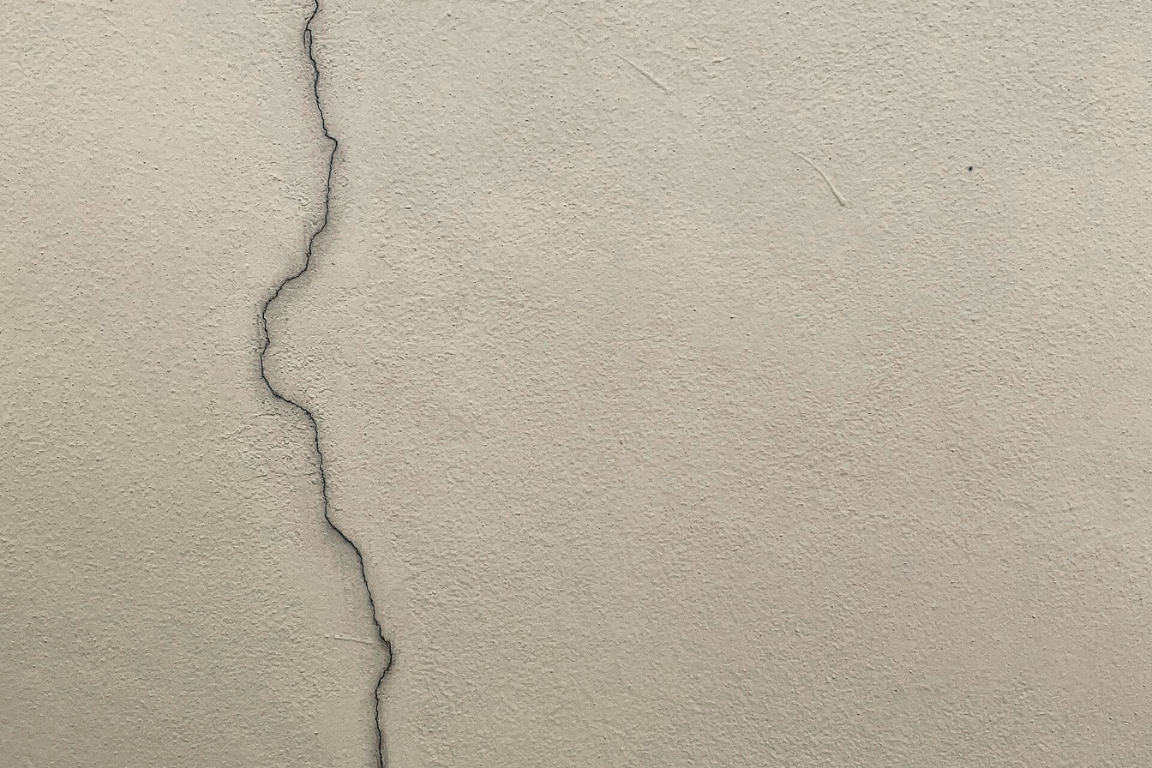

Surfaces do not fail all at once, but warning signs usually appear long before major damage. Cracks, uneven slabs, surface wear, and water pooling signal that support below the surface has changed. Addressing these issues early helps restore safety, improves drainage, and reduces the need for larger fixes later.
Repair vs Replacement
Fixes works best when the slab remains structurally sound and damage is localized. Widespread cracking, severe settlement, or base failure often make replacement the better option. Rework may not hold if underlying soil issues remain unresolved. A proper inspection helps determine whether concrete repair or full replacement offers better long-term value.
What Affects Concrete Repair Cost
Costs depends on damage type, slab size, and correction method. Crack repair costs differ from slab lifting or resurfacing. Access to the site, drainage conditions, and soil stability also affect cost. Concrete leveling cost varies based on how much lifting is required. Addressing issues early often reduces total restoration expense.
Methods We Use
Updates involves more than patching visible damage. Different problems require different methods based on slab condition, soil movement, and water exposure. Heat and shifting ground often cause cracks, settling, and surface wear that need targeted fixes. Using the right method helps restore function, protect the base, and prevent repeat damage.
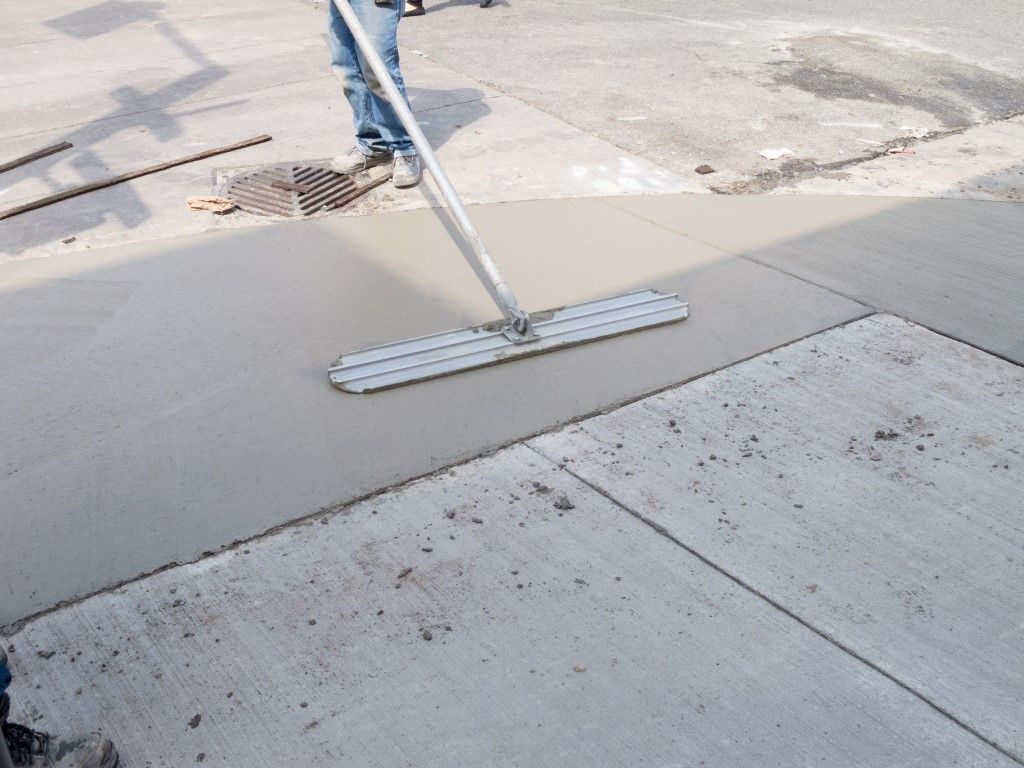
Each issue calls for a specific restoration approach based on severity and cause. Crack repair, leveling, resurfacing, and foundation work address problems at different stages of failure. Choosing the correct method helps extend slab life and reduce long-term costs. A proper evaluation guides whether improvements will restore performance or if replacement becomes the better option.
FAQs About Concrete Repair
Homeowners often have questions about cost, timing, and long-term results. Improvement decisions affect safety, drainage, and future maintenance, so clear answers matter. These questions address common concerns we hear from homeowners in North Phoenix who want to understand their options before moving forward.
Is concrete repair better than replacement?
Repair works well for cracks, surface damage, and minor settlement when the slab remains intact. Replacement is often better when damage affects the entire slab or the base has failed. A site inspection helps determine which option provides better value and durability.
How long does concrete repair last?
The lifespan of a restoration depends on the method used and site conditions. Crack repairs and resurfacing last longer when drainage and soil issues are corrected. Leveling can last many years if soil movement is addressed.
Can foundation cracks be repaired without replacement?
Foundation crack repair works when cracks result from minor movement or shrinkage. Structural cracks tied to settlement may require leveling or additional support. Early repair prevents cracks from spreading.
Does concrete leveling stop future sinking?
Leveling restores support beneath the slab. Long-term results depend on soil conditions and drainage. Proper water control reduces future movement.
When should concrete resurfacing be avoided?
Resurfacing should not be used on slabs with major cracks, deep settlement, or base failure. Structural issues must be corrected before surface treatments are applied.