Concrete Walkways in North Phoenix Arizona
Concrete walkways provide safe, durable paths that connect homes, yards, and outdoor spaces. This service focuses on building and restoring walking surfaces that guide foot traffic, manage drainage, and improve access around a property. Homeowners choose concrete walkways in North Phoenix, AZ when they want long-lasting paths that hold up to heat, daily use, and soil movement. Proper installation and repair help prevent trip hazards and keep walkways functional over time.
Concrete paths serve both practical and visual purposes. They connect driveways, patios, and entry points while shaping how people move through a space. A well-built walkway improves safety, supports drainage, and adds structure to outdoor layouts.
What a Concrete Walkway Includes
A concrete walkway is a poured surface designed for foot traffic. It can run from the driveway to the front door, connect backyard areas, or outline garden spaces. Thickness, base depth, and slope are adjusted based on use and soil conditions. Walkways differ from slabs and drive surfaces. They require proper grading to move water away and reduce surface wear. Reinforcement and joint placement help manage movement caused by temperature changes and moisture.
Many walkways connect to other features such as a concrete driveway, concrete steps, or a concrete patio, so alignment and finish matter.

Where Concrete Walkways Work Best
Concrete walkways fit many areas around a home. Common locations include:
- Front entry paths
- Side yard access routes
- Backyard connectors between patios and pools
- Garden and landscape paths
These paths guide movement and help protect surrounding soil from erosion. Walkways also support accessibility by creating level transitions between areas. In neighborhoods with shifting ground, a reinforced path performs better than loose materials that spread or sink.
Concrete Walkway Design Options
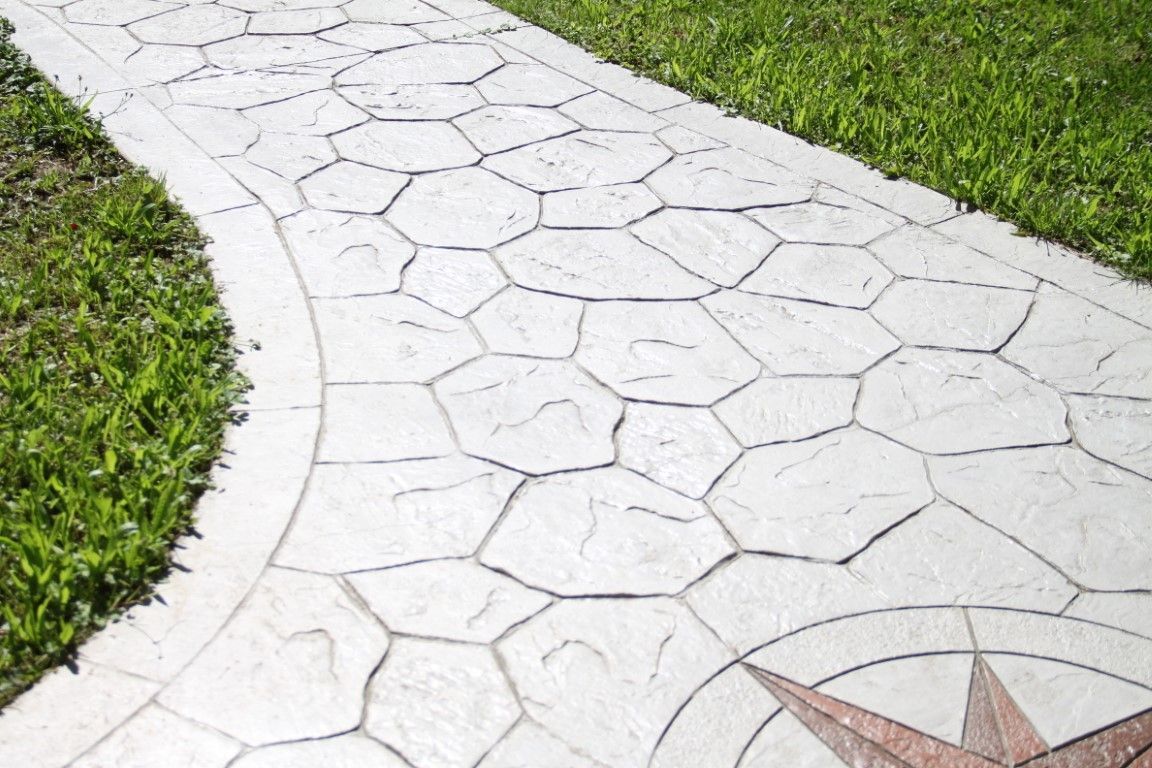
Concrete walkways offer flexibility in shape and finish. Straight paths suit formal layouts, while curved designs work well around landscaping. Width can be adjusted for foot traffic or accessibility needs. Finish options vary based on appearance and traction needs. A stamped concrete walkway adds texture and visual detail. Brushed finishes provide grip for everyday use. Decorative borders help define edges and control expansion. Color treatments can blend paths with nearby surfaces or highlight entrances without overpowering the space.
Stamped and Decorative Walkway Finishes
Decorative finishes allow walkways to stand out without switching to pavers. Patterned surfaces resemble stone or brick while remaining a single poured surface. This limits joint movement and weed growth. Stamped finishes work well in low-slope areas with proper drainage. Texture improves traction and adds depth. Decorative concrete features also pair well with steps and patios for a consistent look. Stamped surfaces require sealing to protect texture and color from sun exposure.
When Walkway Repair Makes Sense
Concrete walkways often show warning signs before major failure occurs. Small changes at the surface can point to movement below the slab or drainage issues nearby. Many homeowners notice these problems after a trip hazard appears or water begins to collect after irrigation or rain. Addressing these concerns early helps reduce safety risks and limits the scope of future work.
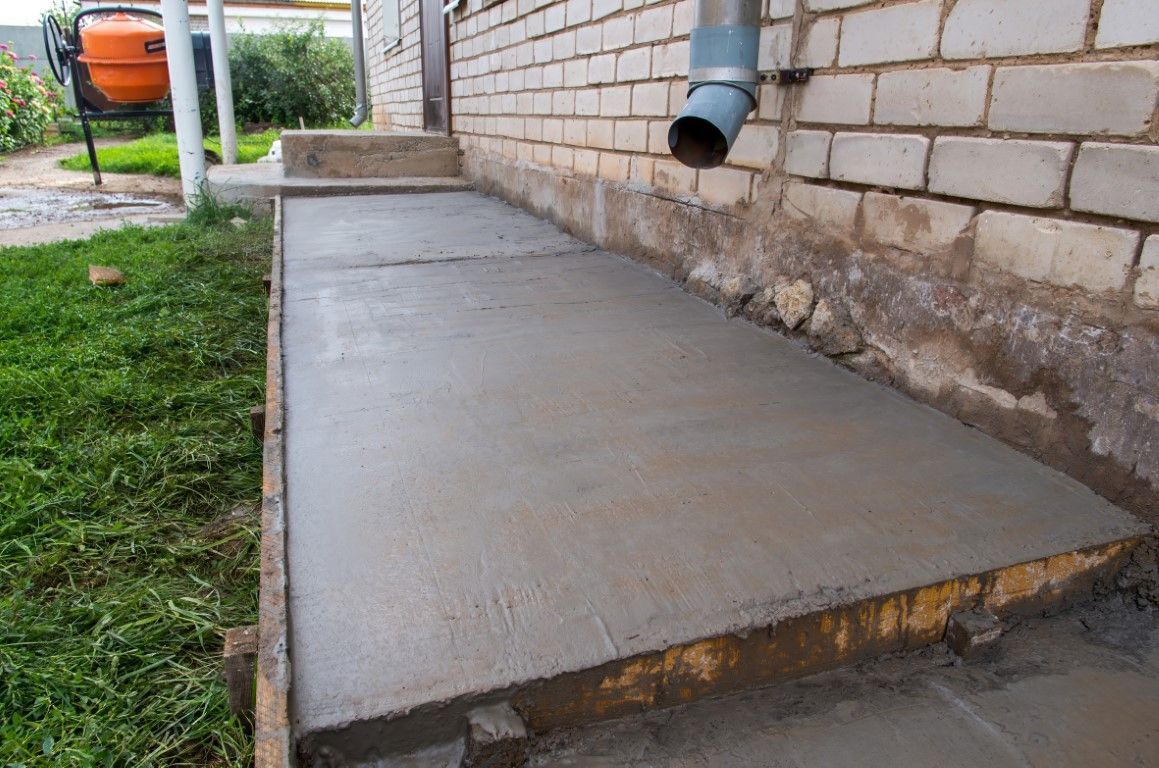

Concrete walkways serve as daily access points, so changes should not be ignored. Cracks, uneven panels, water buildup, and surface wear all signal the right time to take action. Early repair helps restore safety, correct drainage, and reduce the chance of more extensive replacement later.
Concrete Walkway Replacement vs Repair
Concrete sidewalk replacement becomes necessary when damage affects large sections or structural support. Widespread cracking, deep settlement, or drainage failure often point to replacement. Repair works for isolated issues. Replacement suits walkways with repeated movement or surface breakdown. Concrete sidewalk contractors evaluate slab condition before recommending an option. The right choice balances safety, cost, and long-term performance.
What Affects Concrete Walkway Cost
Concrete walkway cost depends on several factors tied to design and site conditions. Larger paths require more material and labor. Curves, borders, and finish details add time. Other cost factors include:
- Site access
- Soil condition and base depth
- Drainage needs
- Finish selection
Concrete sidewalk cost can differ from backyard paths due to thickness and public access requirements. A clear layout helps set realistic expectations.
Our Concrete Walkway Installation Process
A concrete walkway performs best when each step follows a clear plan. Proper layout, base work, and placement all affect how the surface handles foot traffic, drainage, and soil movement. Skipping steps often leads to cracking or uneven panels over time. This process focuses on long-term function and safe access around the property.
A structured installation process supports walkway performance over time. Careful planning, proper base work, controlled placement, and final checks all work together to reduce future repairs. This approach helps create walkways that remain safe, functional, and visually consistent across the property.
Concrete Walkways and Related Services
Concrete walkways often connect to other improvements. Coordinating these elements creates cohesive outdoor layouts. These include:
- Concrete slab foundations for sheds
- Entry features tied to concrete steps and driveways
- Outdoor areas linked to concrete patio spaces
- Decorative options such as stamped concrete and paver installation
- Support features like a retaining wall
- Restoration needs involving concrete repair
Why Homeowners Choose Our Team
Homeowners choose us for clear communication and careful planning. We focus on function first, then appearance. Our experience includes walkways connected to patios, driveways, and retaining wall systems. As a North Phoenix concrete company, we understand how local soil and heat affect walking surfaces. Each project receives attention to layout, drainage, and finish timing.
FAQ's About Concrete Walkways
How long does a concrete walkway last?
A properly built walkway can last decades. Longevity depends on base preparation, drainage, and maintenance.
Can uneven sidewalks be leveled?
Yes. Raising concrete sidewalk sections works when slabs remain intact and the base can be stabilized.
Is a cement walkway the same as concrete?
Cement is an ingredient in concrete. Walkways are built using concrete, not cement alone.
What finish works best for traction?
Textured finishes and light stamping improve grip on walking surfaces.
When is replacement better than repair?
Replacement suits walkways with widespread cracking or repeated settling.